The Gentle Revolution: Why Linen Matters in Sustainable Home Living
A meditation on fabric, fiber, and the patient cadence of a home that wears its ethics lightly. Linen is not merely a textile; it is a stance—an everyday act of care that threads together sustainability, comfort, and culture. This piece explores how linen emerges as a cornerstone of eco-friendly interiors, from its ancient roots to modern, mindful living.
I. A Fabric with a Conscience: Why Linen Endures
Linen has long carried a quiet authority. Its roots lie in flax, a plant that thrives with modest water and sun, a contrast to the thirsty crops that feed many synthetic textiles. In a world chasing speed, linen invites a slower rhythm: it becomes softer with each wash, more resilient with each use, and more honest with every breath. There is a New Yorker-esque gravity to linen—an unadorned elegance that refuses to shout, preferring to age with dignity.
From the fields to the loom, linen channels a chain of responsibility. The flax plant is a renewable resource; its fibers are sturdy, naturally breathable, and biodegradable. When you choose linen, you choose fewer toxins, fewer synthetic finishes, and, ideally, certifications that verify ethical practices. The outcome is a home that feels not just comfortable but responsible—an intimate alignment of design, health, and planetary stewardship.
The practical magic of linen lies in its performance across seasons. In summer, linen excels at moisture management, drawing sweat away from the body and letting air circulate through its hollow fibers. In winter, its natural insulating properties offer a gentle warmth without the heaviness of synthetic wools. It is the paradox of linen: light enough for a breeze, substantial enough to cradle you in a quiet, seasonal embrace.
II. A Guide to Choosing Linen with Confidence
When wandering through the marketplace of linen, whether bedding, duvets, or table textiles, consider three guiding principles: origin, certification, and longevity. Origin matters because it signals the environmental and social footprint behind the fibers. Certification matters because it certifies what you cannot see—the integrity of farming practices and processing. Longevity matters because a durable linen product is inherently a sustainable one; it resists the waste loop that plagues quick-fashion textiles.
For those beginning their linen journey, a practical starter kit might include a set of organic linen sheets, a duvet cover, and a few linen pillowcases. The combination offers year-round comfort and a cohesive aesthetic that can effortlessly evolve with your interior mood.
Key questions to pose while shopping:
- Is the flax sourced from farms with sustainable practices or certifications like GOTS?
- What is the weave and weight of the fabric, and how will that affect warmth and durability?
- Are closures, hems, and stitching reinforced for daily use?
- What care regimen is required to maintain softness and longevity?
III. Products that Demonstrate Linen’s Quiet Power
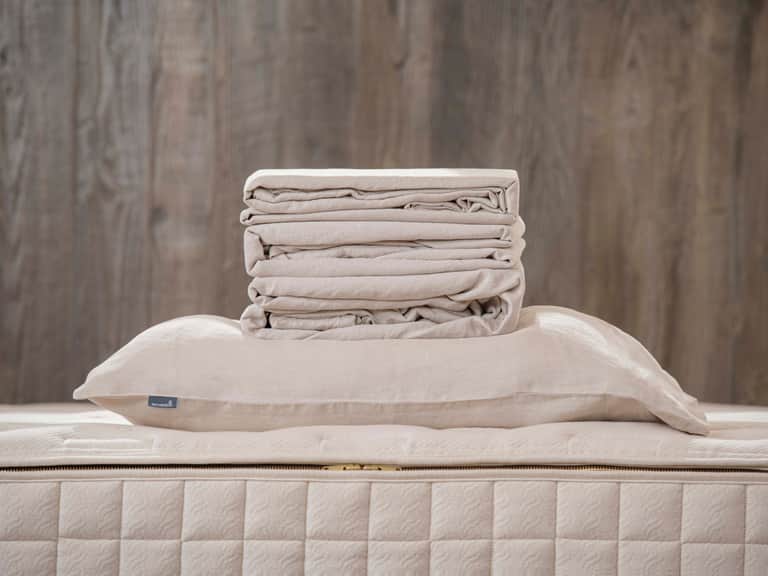
A few exemplary linen offerings illuminate the path from material to mood. Among them stands Naturepedic, a name that often surfaces in conversations about organic comfort and sustainability. Their Naturepedic Organic Linen Sheets represent a high-water mark in combining environmental ethics with tactile pleasure.
Naturepedic Organic Linen Sheets
Certified organic flax, GOTS-certified, breathable and durable.
Expertly woven to balance softness and strength, these sheets yield to time—softening with every wash while retaining structural integrity. The linen’s hollow fibers foster air movement, keeping you cool in summer and comfortably warm in winter. The color palette tends toward natural, earthy tones that align with a restrained, sophisticated bedroom aesthetic.
Product Preview
Naturepedic Organic Linen Sheets
Naturepedic • 185gsm GOTS flax/linen
Naturepedic Organic Linen Duvet Cover Sets
Breathable, moisture-wicking linen with secure closure systems.
These duvet covers soften with use and maintain a timeless silhouette. Stone-washed finishes reduce pilling and lend a lived-in elegance that feels both modern and timeless. The sets are designed to pair seamlessly with Naturepedic linen sheets, creating a cohesive, eco-conscious sleep ecosystem.
Product Preview
Naturepedic Organic Linen Duvet Cover Sets
Linen, GOTS-certified organic flax
Beyond these two exemplars, linen textiles from brands that emphasize organic farming and transparent supply chains offer a robust set of options. The goal is not merely to adorn a space but to inhabit a philosophy—one where every thread speaks to stewardship, durability, and quiet luxury.
IV. The People Who Shaped Linen’s Narrative
Linen’s story is woven by individuals across time—the scientists who studied flax, the artisans who crafted linen fabrics, and the modern designers who translate these sums of knowledge into everyday life. Here are three key figures from different eras who illuminate linen’s enduring impact.
1) Ctesibius of Alexandria (flourishing 3rd century BCE) — Engineering Comfort
Long before modern textiles, ancient inventors recognized the importance of materials that cooperate with the body’s rhythms. Ctesibius, though celebrated for his mechanical innovations, represents a lineage of thinkers who treated fabric as a governed system—where breathability, texture, and climate all harmonize. Linen, in such a lineage, becomes a practical technology: a natural interface between skin and environment, regulating warmth and moisture through the language of fibers.
2) Jean-Baptiste Grenouille (fictional, 18th century spirit in Sartrean thought and broader European textile culture) — The Sublime in Simplicity
Though a literary creature rather than a historical figure, Grenouille stands in as a proxy for the era’s longing for purity and simplicity. Linen, with its unadorned texture and honest fibers, embodies a refinement that resists ostentation. The 18th and 19th centuries witnessed linen’s ascent as a fabric for both noble circles and working households, bridging social divides through a shared tactile language.
3) Modern sustainability advocates (late 20th to early 21st century) — Translators of Ethics into Everyday Choices
In our own era, designers, researchers, and brands have reframed linen not merely as a material but as a stance toward fashioning a more sustainable world. Advocates push for certified organic flax, transparent supply chains, and products designed for longevity. Their work is visible in labels, certification marks, and a consumer culture that prizes craft and accountability as much as style.
V. Caring for Linen: A Ritual of Longevity
The care rituals around linen are part of its charm. Linen thrives on a gentle, predictable routine that respects its natural fibers. The recommended approach is simple: wash on a moderate cycle with mild detergents, avoid high heat or aggressive tumble drying, and air-dry when possible or use a low-heat setting. Over time, linen softens; its texture loosens into a refined, rustic luxury. By treating linen with patience, you extend its life and keep its environmental footprint modest.
For bedding, consider washing linen sheets and duvet covers separately from heavier textiles to reduce abrasion. Linen retains color well when washed with like colors and dried away from direct sunlight. If slight wrinkling appears, embrace it—linen’s wrinkles are a sign of truth-telling fibers, not a defect.
VI. Linen in the Home: Design and Storytelling
Linen is versatile enough to anchor a room’s palette and elevate its textures. In bedrooms, linen sheets and duvet covers create an air of calm that aligns with restorative routines. In dining rooms, linen napkins and tablecloths lend a casual elegance that feels both deliberate and effortless. In living spaces, linen throws and cushions introduce a tactile warmth that invites lingering conversations and quiet afternoons.
The design philosophy here echoes the idea of “slow interior”—focusing on fewer, better pieces that endure. Linen’s natural colorways—creams, ecru, stone, and taupe—provide a timeless backdrop for evolving decor. Pair linen textiles with wood, wool, and muted brass to cultivate interiors that feel grown, not rented, with a sense of permanence.
Conclusion: A Gentle Revolution of Everyday Choices
Linen is more than a fabric. It is a philosophy of living that champions transparency, durability, and a light footprint on the planet. In a world inundated with disposable products and fast cycles, linen asks us to slow down, to notice the texture of the air against our skin, and to recognize that comfort and conscience can coexist without compromise.
The path forward is pragmatic: select linen with credible certifications, invest in a few essential pieces that can transition across seasons, and nurture routines that maintain the fabric’s integrity. By embracing linen, we participate in a quiet revolution—one that reshapes not only our homes but also our expectations for the materials that fill them.
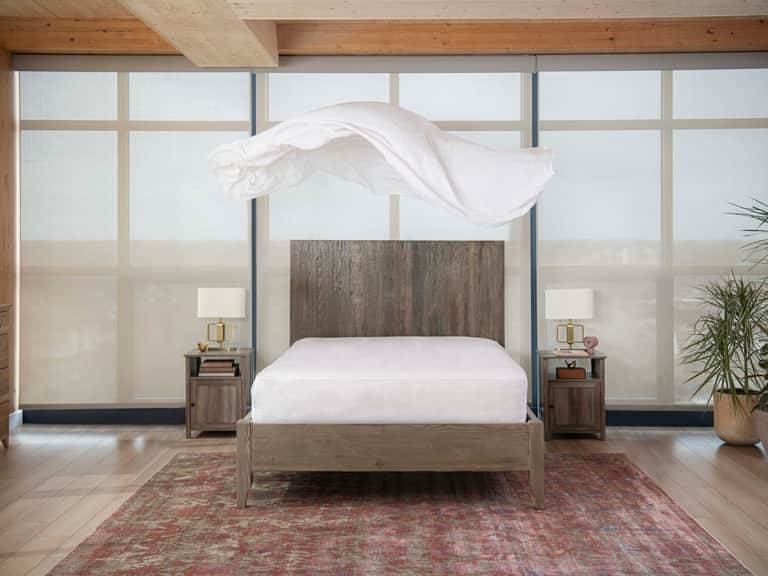
Note: This article references Naturepedic’s Organic Linen Sheets and Naturepedic’s Organic Linen Duvet Cover Sets as illustrative examples of premium, responsibly produced linen textiles. Images below showcase the aesthetic and texture of these products.