Linen for a Kinder Planet: Practical Paths to Sustainable Living with Linen
In a world striving toward gentler rhythms and lighter footprints, linen offers a quiet revolution. It is not merely a textile; it is a philosophy of living—durable, breathable, and poised for a circular life. This essay-length exploration invites readers to imagine linen as everyday practice: in bedding, curtains, kitchen textiles, and the small rituals that shape sustainable living. We meet three figures from different eras who illuminate linen’s enduring craft, then turn to modern brands and practical tips that turn intention into action.
A Linen Timeline: Three Figures, Three Epochs
Linen has a history that threads through ancient civilizations and into contemporary life. Its resilience has always been anchored in pragmatic beauty—fabrics that endure, fibers that refresh, and a production path that, when well managed, uses less water and invites compostability. To understand linen’s promise today, consider three presences from different times and places who illuminate its meaning.
-
Cleopatra’s Linen: Ancient Egypt and the Roots of Everyday Luxury
In antiquity, linen was not merely a garment choice but a social and ritual fabric. The damp, sun-dried flax fibers carried a coolness and crispness that made linen ideal for the Egyptian heat. The linen story then is a story of careful cultivation, retting, scutching, and weaving—an early model of a low-water, highly efficient fiber. The lesson here is not weathered romance but a blueprint: natural materials that endure, with processes that respect the land and the body.
-
Leiden Looms and the Industrial Arrow: 16th–19th Centuries
As linen weaving spread through Europe, the loom became a symbol of skilled labor and regional identity. Linen flourished where flax thrived, and the craft taught patience: long fibers, careful spinning, patient weaving. This era is a reminder that sustainability is often a craft born of communities—small-scale, human-paced production that yields long-lived goods rather than fast consumables.
-
Contemporary Pioneers: Small-Brand Transparency in the Age of Awareness
Today, linen’s appeal is tied to climate consciousness and honest storytelling. Small brands foreground organic farming, fair labor, and traceable supply chains. The modern linen story is one of collaboration—between farmer, loomer, dyer, and consumer—where longevity, repair, and upcycling are as important as texture and color.
Understanding Linen’s Lifecycle: From Flax Field to Finished Product
A linen product is the sum of choices—from seed to fiber, from retting to textile finishing. Linen’s environmental footprint hinges on low water usage, soil health, and renewable resources. When flax is grown with minimal irrigation and minimal synthetic inputs, the lifecycle footprint is reduced by design. The process of turning flax into linen—retting, breaking, scutching, hackling, spinning, weaving, and finishing—often favors energy efficiency and clean, plant-based processes. The result is a fabric that breathes, absorbs and releases moisture naturally, and ages with dignity rather than disposal in a landfill.
In modern practice, the most impactful routine is to choose linen that is certified organic or produced by brands that embrace transparent supply chains. The awareness extends to the consumer’s daily rituals: washing linen with mild detergents, air-drying when possible, and avoiding over-processing that weakens fibers. Each decision compounds over time, turning a simple sheet into a statement about responsibility and care for the planet.
The lifecycle narrative invites readers to reframe consumption: buy fewer pieces, but select linen goods designed to last, repairable and upgradable rather than disposable. This is not mere frugality; it is stewardship—an edit to modern life that reduces waste while preserving beauty and comfort.
Practical Paths: How to Fold Linen into Everyday Life
Linen’s appeal lies in its texture—cool to the touch in summer, warm in winter, with a drape that improves with gentle wear. It’s the fabric of a mindful home, where each purchase encourages durability, repair, and thoughtful care. Here are simple, actionable paths to weave linen into daily routines.
1) Bedding: Core Linen Comfort
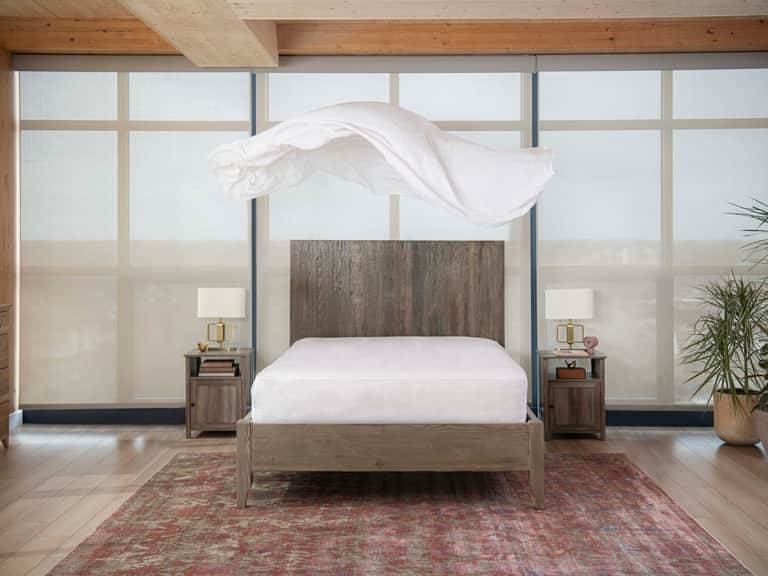
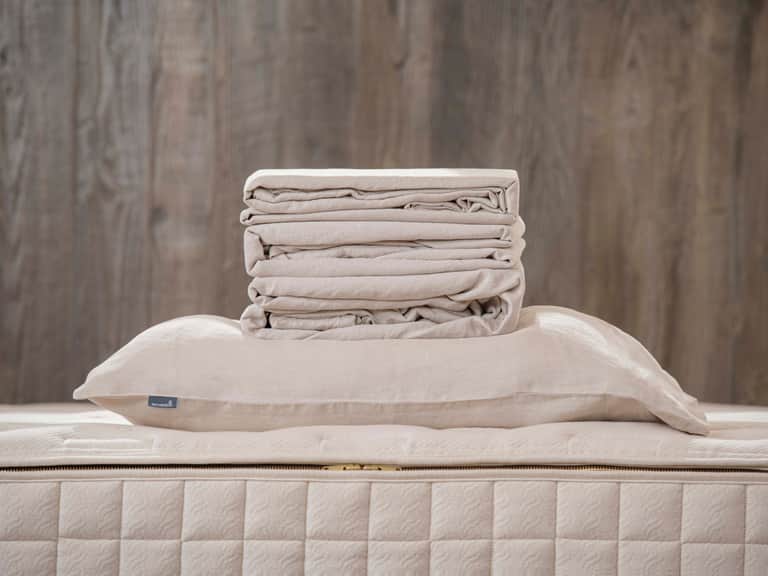
Linen sheets and duvet covers offer year-round comfort thanks to their natural temperature regulation. The spaces between the threads act like micro-ventilation, keeping the body in a balanced microclimate. The Naturepedic Organic Linen Sheets, for instance, embody this principle: certified organic flax, breathable weave, and a softness that deepens with every wash. Their hollow fibers facilitate air and moisture movement, crucial for sleep health and allergy-friendly environments. When choosing linen bedding, consider weight, weave, and finish—stone-washed linens for durability and a softer hand; firmer weaves for structured duvet covers; and natural tones that resist showing wear over time.
Care tips: wash in warm water with a mild, phosphate-free detergent; avoid high-heat drying to preserve fibers; tumble dry on low or line dry to maintain texture. Linen gains character as it ages, developing a relaxed, crinkled beauty that signals lived-in comfort rather than wear-and-tear.
2) Curtains and Home Textiles: Soft Light, Soft Footprints
Linen curtains filter daylight with a gentle translucence, creating spaces that feel both luminous and intimate. For kitchen textiles, linen towels and napkins combine practicality with a refined aesthetic that tells a greener story. In choosing curtains, look for linen blends with low-impact dyes and consider linings that reduce heat gain with minimal weight. The goal is a serene home where textiles contribute to energy efficiency and air quality without compromising style.
3) Kitchen Textiles: Everyday Utility, Elevated Sustainability
Linen kitchen towels are prized for absorbency and quick-drying properties. They withstand repeated use and washing, making them a cost-effective and eco-friendly alternative to synthetic towels. For napkins and table linens, linen’s durability supports long-term use with a timeless aesthetic that complements both casual and formal dining. When selecting kitchen textiles, prioritize natural dyes and fiber content that aligns with sustainable practices.
4) Care as a Ritual: Small Acts, Big Impact
Sustainable living is built on consistent practice. Linen care can be a ritual of care—gentle washing, air-drying when possible, and timely repairs. Small projects like repairing a frayed seam, mending a torn corner, or upcycling an old linen piece into a bag or a cushion cover can extend life and keep waste at bay. The textural beauty of linen rewards patience and care, inviting a slower, more deliberate lifestyle.
Brand Spotlight: Transparent, Ethical Linen at Reachable Prices
In a market crowded with many claims, a handful of brands rise through transparency and quality. One example that aligns with the values discussed here is Naturepedic, particularly their Organic Linen Sheets and Organic Linen Duvet Cover Sets. These products embody a modern synthesis of comfort, sustainability, and ethical sourcing. The sheets’ GOTS-certified organic flax and stone-washed finish demonstrate a commitment to both durability and tactile pleasure. The duvet covers, likewise, pair function with ecological mindfulness. The narrative of these items is a small but meaningful beacon in the broader linen landscape—a reminder that luxury and responsibility can coexist in everyday life.
Product highlights:
- Naturepedic Organic Linen Sheets (SKU NP-SHEET-LINEN): breathable, temperature-adaptive, and moisture-wicking. Sizes include Queen, King, and California King. The fabric is 185gsm GOTS-certified organic flax/linen, cultivated in France and produced in a GOTS-certified facility in India.
- Naturepedic Organic Linen Duvet Cover Sets (SKU NP-DUVET-LINEN): durable, breathable, and designed to balance strength and softness. It pairs with the linen sheets for cohesive bedding that supports year-round comfort.
Engaging with brands that foreground transparency helps readers align purchases with values. Beyond products, the broader conversation includes how to choose linens that come from regenerative farming practices, how brands handle post-consumer recycling, and how to participate in upcycling communities that repurpose old linens into new forms. This is how the linen narrative becomes a living, evolving practice rather than a static catalog of goods.
Sustainable Choices in a Modern Home: Practical Guidelines
To turn linen into a practical path toward sustainable living, consider these guidelines that balance aesthetic pleasure with planetary care:
- Prioritize long-lasting textiles: choose high-quality linen goods with durable stitching, reinforced corners, and simple closures that resist wear over time.
- Prefer organic or regenerative sources: seek linen certified organic or produced by brands with transparent sourcing and low-impact dye processes.
- Adopt mindful washing rituals: wash less often, use cold water when possible, and line dry to reduce energy consumption.
- Repair and upcycle: fix small tears, repurpose damaged textiles into bags or rags, and explore local repair cafes or online tutorials.
- Support circular models: prefer brands that design for repair, provide spare parts, or offer take-back programs that extend the life of textiles.
In this way, linen becomes a vehicle for a kinder planet—one that blends tactile joy with ethical thinking, without demanding sacrifices in comfort or style.
Care and Maintenance: Extending Life, Protecting Texture
Linen’s beauty lies in its ability to soften with use. To maintain its integrity, a gentle touch is best: avoid aggressive detergents, skip chlorine bleach, and minimize high heat in drying. A key practice is to remove linen promptly from the dryer to reduce wrinkling and to air it out between uses. If you own a Naturepedic sheet set, you’ll notice how the fabric responds to washing over time—softening yet retaining structure, a signal that a well-made linen product has earned its keep through many seasons.
When fibers show wear, respond with careful mending rather than disposal. Linen’s natural strength means damaged sections can often be repaired and reintegrated into new uses. This is not only economically sound but also philosophically consistent with a sustainable lifestyle that values repair over replacement.
Conclusion: A Kindergarden of Linen in a Kinder Planet
Linen is not a fashion statement alone; it is a relational practice—between farmer and fiber, between maker and user, between consumer and earth. Its lifecycle, rooted in low water use, regenerative farming potential, and durable materiality, offers a template for sustainable living that is both practical and poetic. The three epochs of linen we explored—ancient comfort, European craftsmanship, and contemporary ethical practice—each contribute a stanza to a longer ode to materials that endure. In building a home that honors linen, we invest in objects that gain character with time and resist the throwaway impulse that defines much of modern life.
As you explore linen in bedding, curtains, and kitchen textiles, let the question be less about trend and more about responsibility. How will this piece age? What will be its journey after use? By choosing transparent brands, embracing repair, and nurturing a consciously minimalist wardrobe of textiles, we help ensure that linen—and the planet it sustains—remain vibrant for generations to come.
Selected Product Highlight
Naturepedic Organic Linen Sheets
Expertly woven for breathable comfort, these sheets are crafted from 185gsm GOTS-certified organic flax/linen, grown in France and produced in a certified facility in India. They offer a balance of soft texture and durable construction, with a loose weave that facilitates airflow and moisture management—ideal for year-round comfort.
Sizes: Queen, King, California King. The set includes a flat sheet, fitted sheet, and two pillowcases. Care instructions emphasize warmth-friendly washing and low-heat drying.
Price: $499.00
Product Details:
- Brand: Naturepedic
- SKU: NP-SHEET-LINEN
- Origin: France flax, India production
- Care: Machine wash warm, tumble dry low
Note: The linen products highlighted above are part of a curated selection intended to illustrate sustainable choices in a modern home. Availability may vary by region and season. Always verify current specifications with the retailer.